Trump’s not so bad: the disappearing hospital data during a pandemic edition

An occasional series


An occasional series
Having two strong left wing women standing in an electorate is great for women, the left and New Zealand. It may also help us move away from macho politics towards both/and politics.
The Greens’ audacious new social security policy, the Poverty Action Plan, places manaakitangi and compassion at the centre. It includes guaranteed income across the board for those in need, reorientating ACC to include illness and prioritise care, support for children and single and double parented families, and it pays for it all by taxing some of the assets and income of the wealthy.
“In my view, this is one of the most significant policy changes to address climate change that we have done this term” – James Shaw
Destroy capitalism, right? But what’s the replacement?
$100,000 a year in capital gains.
the government can’t agree is a euphemism for NZ First blocking climate action.
While Labour remain wedded to a neoliberal view of welfare as a necessary evil with deserving and undeserving poor, the Greens are standing up for the rights of all of us to live with dignity and have a meaningful standard of living.
The Herald’s misleading, clickbait sound-biting of Labour MP Tamati Coffey isn’t even close to what we need in reporting from the Epidemic Response Committee.
Yes lefties, there is, and it’s not rocket science.
A round up of the Green Party’s achievements in the 2020 Budget: funding for nature, the commitment to ending violence, and public housing and insulation. And a look at the pragmatics of what the Greens can currently accomplish.
Too much repetition, or the wrong questions?
An occasional series
Using neoliberal ideas to try and remedy a situation where neoliberalism is very sick indeed is kind of like pouring salt on the wound. Fortunately we have new, emerging models of how run society that can also serve us well in a covid and climate world.
an occasional series.
Say it out loud: Degrowth.
The Green’s initial party list has three new candidates in the top ten.
Frontline home care workers and their clients still don’t have adequate protection from covid.
Oil giant OMV finally leave New Zealand, and Greenpeace releases its Green Covid Response plan to the government.
Rather than saving an industry that has multiple sustainability and resiliency failures, how about we regenerate local economies and set them to serve our communities?
In the time of coronavirus, we can move from blame to connection.
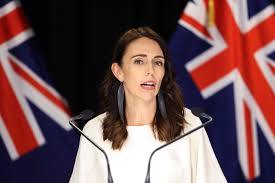
Please be strong, be kind, and unite against Covid-19
– Jacinda Ardern.
As mainstream systems are forced to adapt to the new state of affairs in a covid world, what are the bigger picture changes that need to happen so that we are future-proofing our communities at the same time?
An update from Labour on covid prevention.
Changes to the Residential Tenancies Act have a few landlords threatening to quit the business.
The point here isn’t to go ‘boo vegans’, it’s to point starkly to the problems with the current food and environment debate, and show case the pathways beyond the meat/no meat binary.
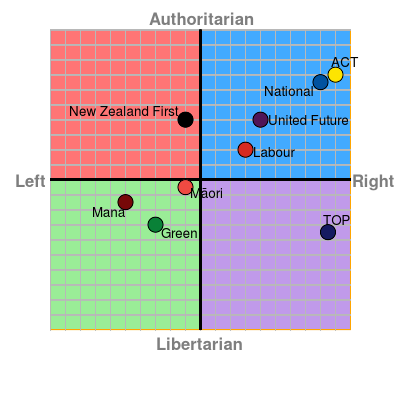
Please don’t let economists, lefties, the right, or TOP design a UBI until we start talking about bolting welfare on. Here’s why.
NACT’s values are showing.
Science is showing that global food security is now at risk from climate change, farmers and gardeners are showing us how to adapt and mitigate at the same time.
Instead of burning the world a bit more slowly, how about we don’t burn it at all?
As Southland starts post-flood recovery, the question arises of why 10,000 tonnes of waste known to become toxic on exposure to water was allowed to be stored on the banks of a river with known flood risk in a building with known flood risk?
an occasional series.
We’re at the tension point between the fear a fast transition will deprive us vs the fear that not acting fast enough will lead to climate change depriving us. Climate activists fear the latter, incrementalists fear the former.
The utter failure of the Australian Prime Minister to lead during the bushfire crisis reminds us that it’s care for our children and communities that drives climate action. When people mobilise politicians will follow.
It’s tempting to think of the 2020s as the do or die decade, but deep, abiding, life affirming change will come from framing that also makes people feel good.
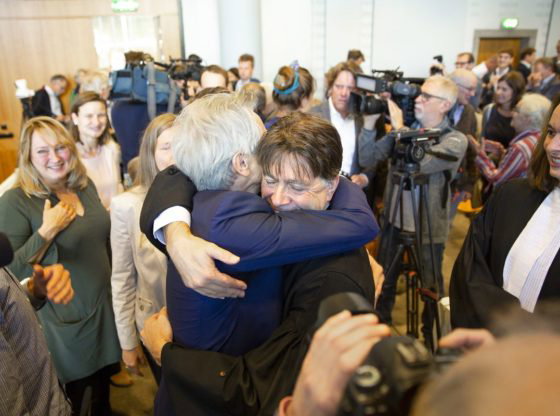
In a groundbreaking decision, the Netherlands’ Supreme Court has ruled that the climate crisis is a human rights issue, and “the government must take urgent action on climate change to protect the fundamental rights of its people”.